Instant Pot vs Crock-Pot — Which One Wins? A Powerful 7-Factor Comparison for Smart Home Cooks
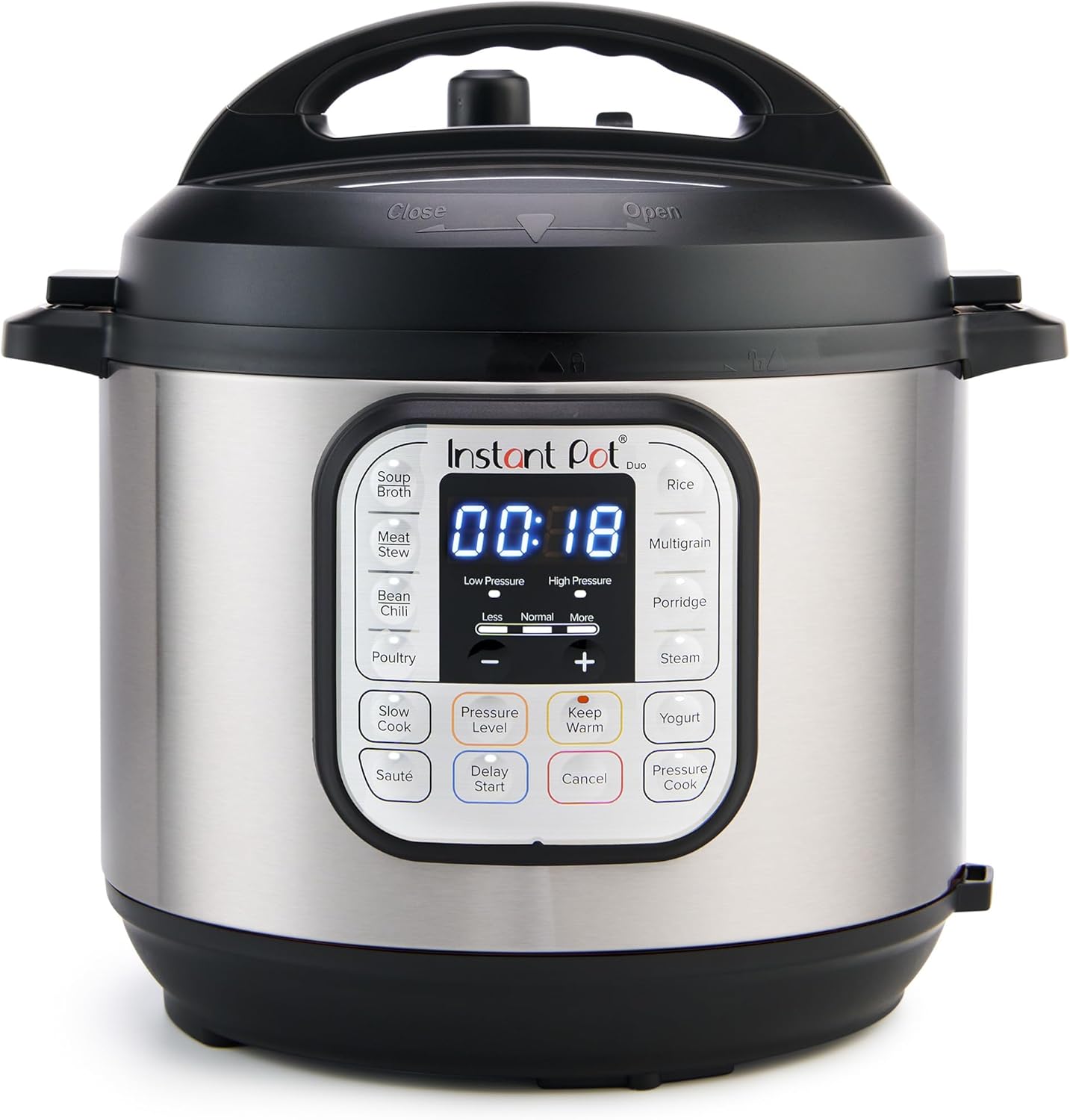
What Is an Instant Pot?
An Instant Pot is a modern, electric multi-cooker designed to do the work of several kitchen appliances at once. At its core, it is best known for pressure cooking, a method that traps steam inside a sealed pot to raise the boiling point of water and cook food much faster.
But the Instant Pot doesn’t stop there. It also functions as a rice cooker, steamer, sauté pan, yogurt maker, and food warmer, all packed into one compact device. This versatility makes it especially appealing for home cooks who want flexibility without filling their kitchen with gadgets.
The real magic lies in speed. Meals that would normally take hours—such as stews, beans, or tough cuts of meat—can be cooked in a fraction of the time. For busy households, the Instant Pot feels like a shortcut without sacrificing quality.
What Is a Crock-Pot?
A Crock-Pot is a classic slow cooker built for patience and simplicity. It uses low, steady heat over long periods to gently cook food, making it ideal for recipes that benefit from time, such as soups, chili, pulled pork, and braised meats.
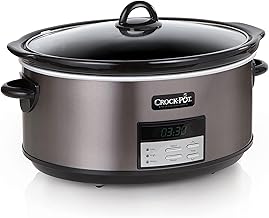
What truly sets the Crock-Pot apart is its set-it-and-forget-it convenience. You add the ingredients, choose a heat setting, and let it work quietly in the background. Over several hours, flavors slowly deepen, textures soften, and meals develop a comforting, homemade richness—all with very little hands-on effort.
Cooking Speed and Time Efficiency
Pressure Cooking vs Slow Cooking
This is where the difference between the two appliances becomes impossible to ignore. The Instant Pot relies on high pressure and heat, which dramatically speeds up cooking. For example, a pot roast that might take eight hours in a Crock-Pot can often be finished in under an hour in an Instant Pot.
The Crock-Pot, by contrast, embraces time rather than fighting it. It cooks slowly on purpose, allowing ingredients to break down gently and flavors to mingle naturally. While it demands patience, the payoff is consistency and depth.
Weeknight Meals and Busy Schedules
If you usually start cooking after a long workday, the Instant Pot has a clear advantage. It allows you to prepare hearty, home-cooked meals even when time is tight.
On the other hand, if your routine allows you to prep ingredients in the morning or early afternoon, the Crock-Pot fits seamlessly into your day. You come home to a fully cooked meal, warm and ready to serve, without lifting a finger in the evening.
Versatility and Cooking Functions
Multi-Function Capabilities of the Instant Pot
The Instant Pot truly shines when it comes to flexibility. One device can handle a wide range of cooking tasks, including:
- Pressure cooking for fast meals
- Slow cooking for traditional recipes
- Sautéing directly in the pot
- Steaming vegetables and seafood
- Cooking rice and grains consistently
- Making yogurt at home
This all-in-one design saves counter space, reduces cleanup, and appeals to cooks who enjoy experimenting with different cooking styles.
Simplicity and Focus of the Crock-Pot
The Crock-Pot takes the opposite approach—and that’s its strength. It focuses on doing one job extremely well. With simple controls like low, high, and warm, there is very little guesswork involved.
This straightforward design makes it perfect for users who value reliability, consistency, and ease of use. There are no pressure valves to monitor and no learning curve to overcome—just dependable slow cooking that delivers comforting results every time.
Taste, Texture, and Meal Quality
Flavor Development Over Time
One of the biggest differences between these two appliances lies in how flavor develops. Slow cooking gives ingredients time to interact, blend, and mature. As hours pass, spices mellow, aromatics soften, and proteins slowly break down, creating deep, comforting flavors. This gradual process is especially loved in dishes like stews, chili, curries, and braised meats, where richness and complexity matter most.
The Instant Pot takes a different approach. By sealing in steam and pressure, it locks in moisture and flavor quickly. While this results in juicy meats and well-cooked meals, the flavors may feel more “stacked” than blended unless recipes are adjusted. Many experienced users enhance Instant Pot meals by sautéing ingredients first, using concentrated broths, or allowing natural pressure release to deepen taste.
Soups, Stews, and Meats
Both appliances can produce excellent results, but they shine in different ways:
- Crock-Pot:
- Meats become fall-apart tender
- Flavors blend smoothly over time
- Ideal for comfort foods that improve the longer they cook
- Instant Pot:
- Retains moisture exceptionally well
- Produces tender results in a fraction of the time
- Best for fast soups, shredded meats, and weeknight dinners
When used correctly, both can deliver satisfying, restaurant-quality meals. The difference comes down to whether you value slow flavor buildup or speedy efficiency.
Ease of Use and Learning Curve
Beginner-Friendliness Compared
Crock-Pots are famously beginner-friendly. The process is nearly foolproof: add ingredients, select a heat setting, and walk away. There’s no need to monitor cooking stages or worry about timing precision. This simplicity makes Crock-Pots especially appealing to first-time cooks, busy parents, and anyone who prefers a low-stress cooking experience.
Instant Pots, on the other hand, come with a learning curve. New users must understand pressure levels, sealing valves, and pressure-release methods. At first, this can feel intimidating. However, once mastered, the Instant Pot offers greater control and consistency, allowing cooks to fine-tune results with precision. Many users find that after a few meals, it becomes second nature.
Safety Features and Reliability
Built-In Safety Mechanisms
Modern Instant Pots are designed with safety as a top priority. They include:
- Pressure sensors to prevent over-pressurizing
- Locking lids that won’t open under pressure
- Automatic shut-off systems if something goes wrong
These features make today’s Instant Pots far safer than old-style pressure cookers.
Crock-Pots rely on a simpler safety model. Their low-temperature cooking and minimal moving parts reduce risk naturally. This straightforward design has earned them a reputation for being dependable and safe for long, unattended cooking sessions.
Cleaning, Maintenance, and Storage
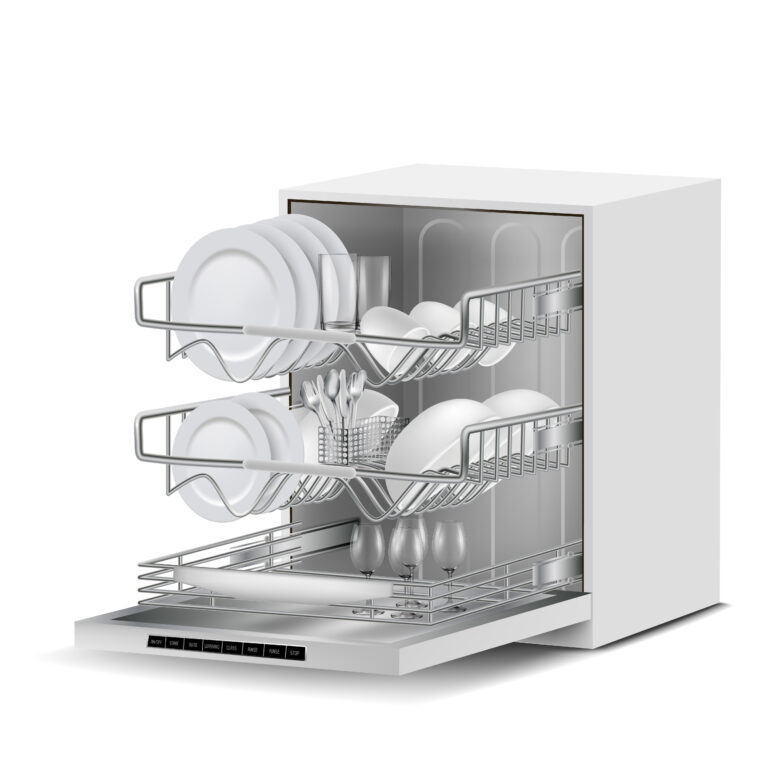
Both appliances are relatively easy to clean thanks to removable inner pots, many of which are dishwasher-safe.
Instant Pots do require a bit more maintenance. Sealing rings can absorb odors over time and may need replacement. Additional components like valves also need occasional attention.
Crock-Pots are simpler in this area. With fewer parts, they are easier to maintain and often easier to store, making them ideal for cooks who prefer minimal upkeep.
Energy Efficiency and Cost Comparison
- Instant Pot: Uses more power in short bursts but cooks much faster, often resulting in lower overall energy use per meal
- Crock-Pot: Uses very little electricity but runs for several hours at a time
When it comes to cost, Crock-Pots are usually more affordable upfront. Instant Pots tend to be more expensive, but they can replace multiple appliances, which may justify the higher price for some households.
Ideal Use Cases: Which Cooker Fits Your Lifestyle?
Choose an Instant Pot if you:
- Need fast, reliable meals on busy days
- Enjoy experimenting with different cooking methods
- Want one appliance that can handle many tasks
Choose a Crock-Pot if you:
- Prefer simple, hands-off cooking
- Love slow-cooked, deeply developed flavors
- Plan meals ahead and enjoy coming home to a ready dish
Frequently Asked Questions
Final Verdict
So, Instant Pot vs Crock-Pot — Which One Wins?
The answer depends on your lifestyle. The Instant Pot wins for speed, versatility, and modern cooking needs. The Crock-Pot wins for simplicity, comfort, and classic slow-cooked taste.
There is no wrong choice—only the right tool for how you cook