Smart Kitchen 101: How to Set Up a Connected Kitchen in best way
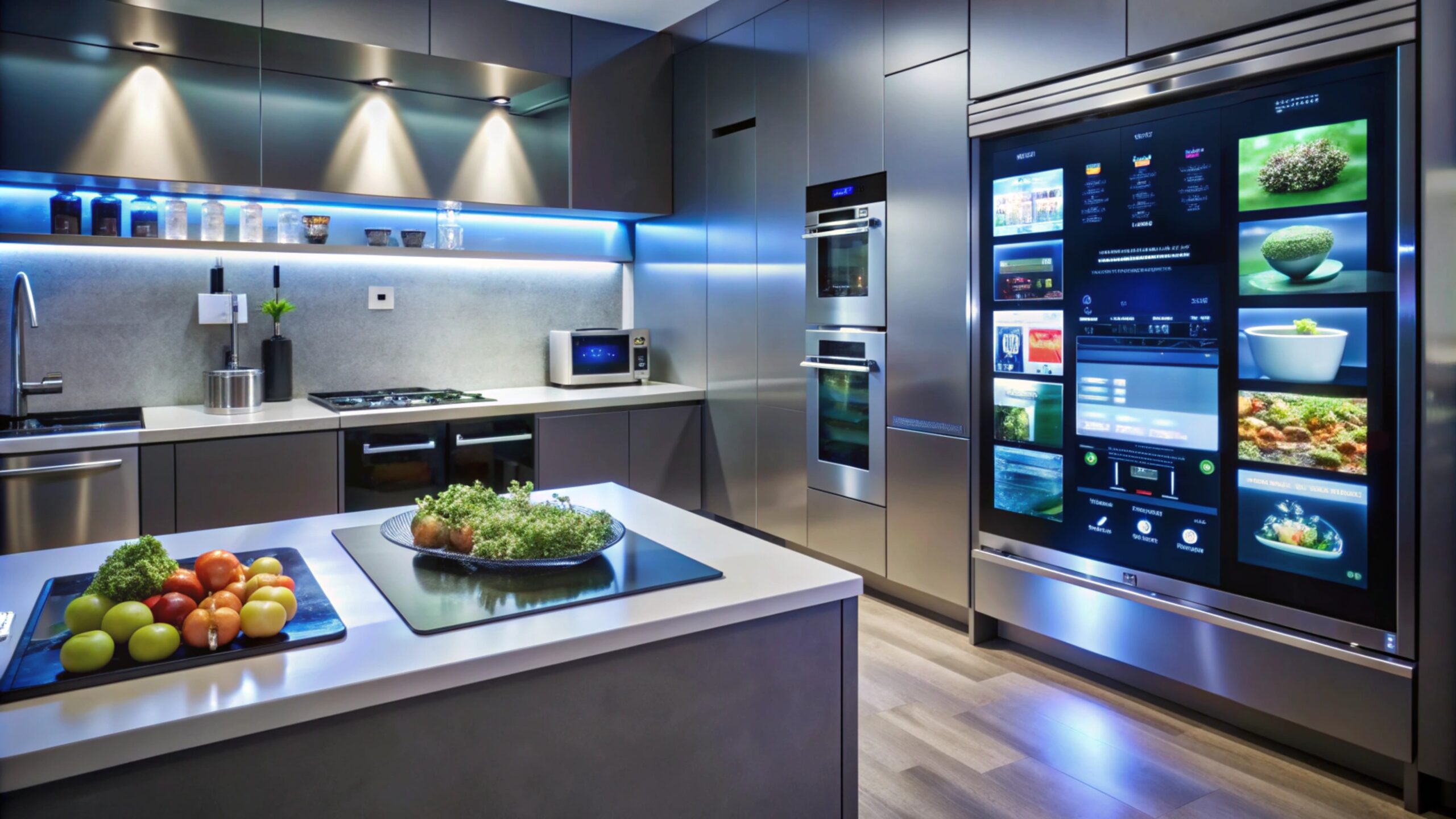
The kitchen has always been the heart of the home. But in 2025, it’s becoming smarter, more efficient, and more connected than ever. From refrigerators that remind you when groceries are running low to ovens that preheat with a voice command, smart kitchen technology is transforming how we cook, clean, and live. If you’re new to the idea of a connected kitchen, don’t worry. This guide will walk you through everything you need to know to set up your own smart kitchen from scratch.
Understanding What Makes a Kitchen “Smart”
The term “smart kitchen” refers to a space where technology meets everyday cooking convenience. It’s not just about owning expensive gadgets—it’s about creating an ecosystem where your appliances communicate, adapt, and work together to simplify your life.
In a modern Pakistani home, a smart kitchen combines functionality, efficiency, and comfort, allowing you to save time, reduce energy costs, and enjoy a more organized lifestyle. Imagine adjusting your oven temperature, checking your refrigerator’s contents, or brewing a perfect cup of coffee—all through your smartphone or voice command.
Let’s break down the core elements that make a kitchen truly smart.
Key Features of a Connected Kitchen
A connected kitchen relies on Internet of Things (IoT) technology—meaning your appliances connect to Wi-Fi and communicate with each other through apps or voice assistants. Here are some features that define a connected cooking space:
1. Remote Control via Smartphone Apps
Smart appliances like ovens, microwaves, or coffee makers can be controlled remotely through dedicated mobile apps.
- Preheat your oven while you’re driving home.
- Start the dishwasher from your sofa.
- Receive alerts when your refrigerator door is left open.
For instance, the Samsung SmartThings app lets users monitor and control multiple kitchen appliances from anywhere, offering unmatched convenience and flexibility.
2. Voice Command Compatibility
Modern smart kitchens integrate with voice assistants such as Amazon Alexa, Google Assistant, or Apple’s Siri.
With simple voice commands, you can:
- Turn on the oven.
- Set cooking timers.
- Adjust refrigerator temperatures.
- Brew a fresh cup of coffee.
This hands-free functionality is especially useful when your hands are busy cooking—or covered in flour!
3. Energy-Saving Automation
Energy efficiency is one of the biggest benefits of a smart kitchen.
- Smart dishwashers and refrigerators optimize energy use by adjusting cycles based on load size and time of day.
- Smart lighting systems automatically turn off when the kitchen is empty.
- Sensors detect usage patterns and reduce power waste, helping you save on utility bills—a major plus for Pakistani households facing rising electricity costs.
4. Built-in Cameras, Sensors, and AI
Some of today’s most advanced kitchen appliances come with AI technology and built-in cameras that make cooking almost foolproof.
- Smart fridges show a live view of your food items on your phone.
- Ovens use temperature sensors and image recognition to automatically adjust cooking settings.
- Smart scales measure ingredients precisely for healthier, more consistent meals.
These intelligent features turn your kitchen into a personal cooking assistant—ensuring every dish is delicious and perfectly done.
Benefits of Smart Kitchen Technology
The advantages of a connected kitchen go far beyond convenience. Here’s how smart kitchen innovations make daily life easier and more efficient:
1. Ultimate Convenience
You can start your coffee maker before getting out of bed or defrost your freezer remotely. Everything syncs with your lifestyle, making mornings smoother and evenings less stressful.
2. Energy Savings
Smart appliances use automation and energy-efficient cycles to reduce electricity consumption, lowering your monthly bills. For example, a smart dishwasher may delay a wash cycle until off-peak hours to save energy.
3. Better Food Management
Smart refrigerators like LG InstaView ThinQ can track expiration dates, send alerts when groceries are running low, and even suggest recipes based on available ingredients.
No more guessing what’s inside or wasting food!
4. Healthier Cooking Habits
Smart kitchen gadgets like Wi-Fi-enabled scales, calorie-tracking apps, and guided recipe systems encourage healthier eating by helping you monitor portions, nutrition, and cooking methods.
Imagine getting a notification reminding you to use less oil or suggesting a healthier ingredient substitute—that’s the power of smart cooking!
Essential Smart Appliances for a Modern Kitchen
A smart kitchen doesn’t mean replacing everything you own—it’s about strategically upgrading key appliances that add the most value to your routine. Let’s explore some must-have devices transforming Pakistani kitchens in 2025:
Smart Refrigerators
Features:
- Built-in cameras to see contents without opening the door.
- Grocery management and expiry tracking.
- Integrated touchscreens for recipes, calendars, or music.
Example:
The Samsung Family Hub Refrigerator lets you view the inside from your smartphone, stream YouTube videos, and even shop for groceries online.
Local Insight:
In Pakistan, you can find smart refrigerator models from Samsung, Haier, and LG in major electronic stores and online platforms like Purchaser.com.
Smart Ovens and Cooktops
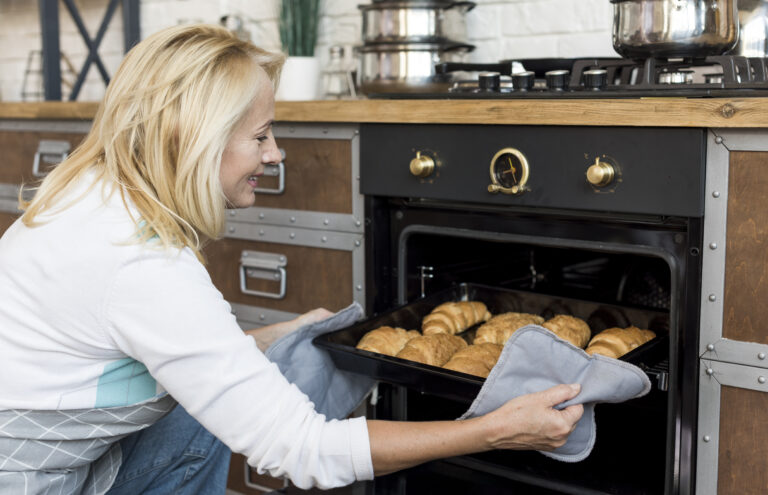
Modern smart ovens come with Wi-Fi connectivity and AI-assisted cooking.
You can preheat your oven remotely, receive alerts when food is done, and even follow recipe guidance through built-in touchscreens.
Some models automatically adjust temperature and time based on the dish you’re cooking—helping even beginner chefs achieve perfect results.
Example: LG Smart Inverter Oven with ThinQ app support.
Smart Dishwashers
Smart dishwashers are designed for maximum efficiency—both in water and energy use.
- Control wash cycles through mobile apps.
- Receive alerts when detergent levels are low.
- Use “eco” or “quick wash” settings for time and cost savings.
This is especially useful in Pakistan’s urban homes, where saving water and electricity is crucial.
Smart Coffee Makers and Small Appliances
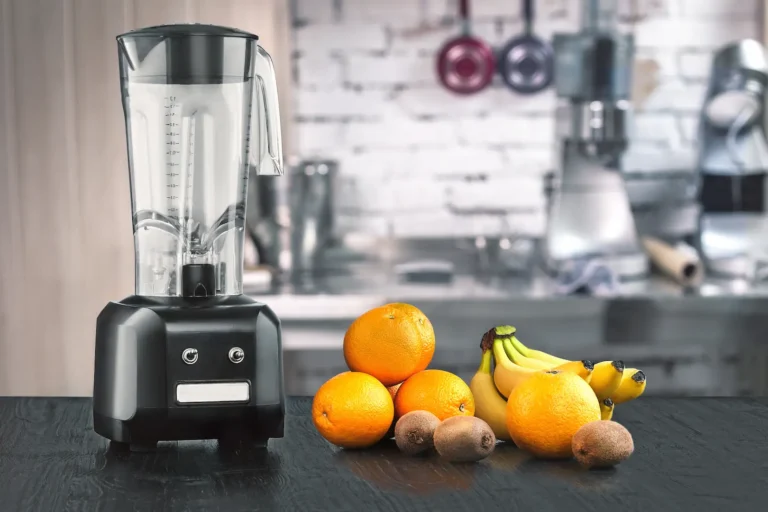
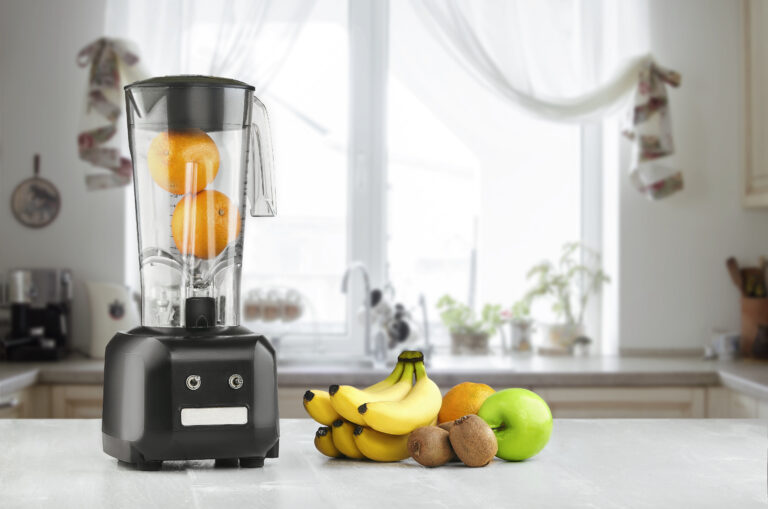
From Wi-Fi-enabled coffee machines to Bluetooth blenders, small smart appliances can make your kitchen more responsive and enjoyable.
- Brew your morning coffee with a simple voice command.
- Sync your coffee maker with your alarm clock.
- Use mobile apps to adjust grind size, brew strength, and temperature.
Example: Smart coffee makers from Nespresso, Philips, and Xiaomi available locally through major appliance retailers and eCommerce stores.
Smart Kitchen Gadgets and Devices
Today’s smart kitchens go beyond just having connected ovens or fridges—they include an ecosystem of intelligent gadgets, voice assistants, sensors, and hubs that work together to simplify everyday cooking.
Let’s explore the essential smart devices that can transform a regular Pakistani kitchen into a modern, connected space.
Voice Assistants – Your Digital Kitchen Companion
Voice assistants like Amazon Alexa, Google Assistant, and Apple Siri are the backbone of any smart kitchen setup. They let you control devices hands-free, so you can cook, clean, and multitask effortlessly.
How They Work
- Connect compatible devices like smart ovens, lights, and coffee makers to your assistant.
- Use simple voice commands such as:
- “Alexa, preheat the oven to 180 degrees.”
- “Hey Google, turn on the kitchen lights.”
- “Siri, play my cooking playlist.”
Best Voice Assistants in Pakistan
- Amazon Echo Dot (5th Gen) – Compact and affordable, available through Pakistani online retailers.
- Google Nest Mini – Ideal for users already using Android and Google Home devices.
- Apple HomePod Mini – Perfect for iPhone users who want seamless integration.
💡 Tip: Voice assistants also provide timers, unit conversions, and recipe instructions—a must-have for every modern kitchen.
Smart Lighting and Sensors – Function Meets Ambiance
Lighting plays a crucial role in setting your kitchen’s mood and efficiency. Smart lighting systems allow you to control brightness, color, and timing through apps or voice commands.
Popular Smart Lighting Features
- Motion-sensor lights that turn on automatically when you enter the kitchen—saving electricity.
- Color-changing LEDs to set the perfect ambiance for cooking, dining, or entertaining.
- Scheduling and automation to dim lights at night or brighten them in the morning.
Example
- Philips Hue or Mi Smart LED bulbs can be synced with Alexa or Google Home for complete control.
- Locally available smart lighting brands in Pakistan include Xiaomi, Orient, and TP-Link (via Purchaser.com).
Smart Faucets and Water Systems – Hygiene and Precision Combined
Smart faucets are quickly becoming a favorite in modern Pakistani homes for their touchless operation and water-saving design.
Key Features
- Motion or voice-activated control: Wave your hand or ask Alexa to turn the tap on/off—ideal for maintaining hygiene while cooking.
- Water measurement technology: Some premium faucets dispense exact water quantities, perfect for recipes or hydration tracking.
- Temperature presets: Customize your preferred water temperature via an app.
Example
- Moen Smart Faucet with MotionSense (available via global shipping) is a top-rated option for touchless convenience.
- Orient Smart Water Systems in Pakistan are designed to improve hygiene and reduce water wastage.
Smart Scales and Cooking Thermometers – Precision Cooking Made Easy
Cooking perfection is all about accuracy, and smart kitchen tools help you achieve that.
Smart Scales
These connect to mobile apps via Bluetooth to measure exact ingredient quantities. They also sync with recipe apps, guiding you step-by-step through cooking and baking.
- Perfect for diet tracking, portion control, and calorie management.
- Examples: Etekcity Smart Nutrition Scale or Xiaomi Smart Kitchen Scale (available on local eCommerce platforms).
Smart Thermometers
Smart thermometers ensure your meats and baked dishes reach the perfect internal temperature, eliminating guesswork.
- Some models send real-time cooking alerts to your phone.
- Great for BBQs, baking, and professional cooking.
- Example: MEATER Plus Wireless Thermometer—popular among home chefs and grill enthusiasts.
Building the Foundation: Smart Hubs and Connectivity
A smart kitchen only works if your devices communicate seamlessly—and that’s where Wi-Fi connectivity and smart hubs come into play.
Wi-Fi and Network Requirements
For a connected kitchen, a strong, stable internet connection is non-negotiable.
- Smart appliances require consistent Wi-Fi to stay synced.
- Use 2.4 GHz networks for wider coverage (most smart devices don’t use 5 GHz).
- Consider installing a mesh Wi-Fi system like TP-Link Deco or Google Nest Wi-Fi to eliminate dead zones, especially in larger Pakistani homes or apartments.
💡 Tip: Position your router centrally—many connection issues are solved simply by improving placement.
Choosing a Smart Home Hub
A smart home hub is the control center that unites all your devices—making automation smooth and reliable.
Choose one based on your preferred ecosystem:
| Hub | Best For | Key Features |
|---|---|---|
| Amazon Echo | Alexa users | Voice control, music, routines, smart home integration |
| Google Nest Hub | Android ecosystem | Visual display for recipes, video calls, smart home dashboard |
| Apple HomePod Mini | Apple HomeKit users | Secure, privacy-focused, seamless Siri integration |
Pro Tip: If you’re just starting, begin with a Google Nest Mini or Echo Dot—affordable yet powerful smart hubs widely available in Pakistan through eCommerce platforms.
Step-by-Step Guide: Setting Up a Connected Kitchen
Creating your smart kitchen doesn’t require a complete remodel. Follow this simple, step-by-step guide to get started efficiently and affordably.
Step 1: Assess Your Needs and Budget
Identify what you want most—energy efficiency, convenience, or precision cooking.
For example
Step 2: Start with One or Two Devices
Don’t try to make your kitchen smart overnight. Start small—perhaps a voice assistant and a smart coffee maker or Wi-Fi-enabled light.
Once you get familiar with app control and automation, you can expand.
Step 3: Connect to a Smart Hub or App
Download your appliance brand’s companion app (like SmartThings, Mi Home, or Google Home) and link it to your Wi-Fi.
Follow simple in-app prompts to pair devices—it usually takes only a few minutes.
Step 4: Automate Daily Tasks
Once devices are connected, set automation routines to make daily tasks seamless.
Example Automations:
- Lights turn on when you enter the kitchen in the morning.
- Coffee starts brewing as soon as your alarm rings.
- The dishwasher starts after dinner automatically.
- Exhaust fan turns on when stove heat exceeds a certain temperature.
Automation not only saves time but also adds comfort and safety to your daily life.
Step 5: Expand Over Time
As your comfort level and budget grow, upgrade gradually. Add:
- Smart ovens or cooktops for guided cooking.
- Smart refrigerators for grocery tracking.
- Smart dishwashers for eco-friendly cleaning.
This incremental approach lets you build a fully connected kitchen without feeling overwhelmed.
Future Trends in Smart Kitchen Technology (2025 and Beyond)
As smart home technology continues to evolve, the kitchen is fast becoming the centerpiece of innovation. By 2025 and beyond, we’ll see AI, robotics, and sustainability transforming how we cook, clean, and manage food.
What started with smart refrigerators and voice-controlled ovens is now expanding into fully autonomous, intelligent ecosystems that understand your habits, preferences, and even your health goals. Let’s explore what’s next for the smart kitchens of the future.
1. AI-Powered Recipe Assistants: Personalized Cooking Like Never Before
Artificial Intelligence (AI) is redefining what it means to “follow a recipe.” Future kitchens will feature AI-powered cooking assistants that adapt to your personal dietary needs, taste preferences, and available ingredients.
How AI Cooking Assistants Work
- AI systems analyze your dietary habits, allergies, and nutrition goals (like low-carb, diabetic-friendly, or high-protein).
- They scan your fridge and pantry to suggest meals you can make with existing ingredients.
- They offer step-by-step cooking guidance, adjusting cooking times and techniques based on your equipment and skill level.
Example Innovations
- Samsung’s Bespoke AI Kitchen uses vision recognition to identify food items and recommend recipes in real time.
- LG’s ThinQ Cooking App suggests meal plans and automatically sets compatible appliances to the correct temperature and time.
- Future Pakistani potential: Imagine local recipe databases that recommend Biryani, Daal Chawal, or Chapli Kebabs—tuned to your diet, calorie goals, and cooking tools.
💡 Trend Insight: Expect AI kitchen assistants to integrate with health-tracking apps (like Fitbit or Samsung Health) to create personalized nutrition plans that merge wellness and convenience.
2. Robotic Cooking Arms: Hands-Free Meal Preparation
One of the most exciting innovations on the horizon is the robotic cooking arm—a mechanical chef capable of preparing entire meals autonomously.
What It Does
These advanced robots can chop vegetables, stir sauces, boil pasta, flip pancakes, and even plate dishes with precision.
They’re equipped with AI vision, motion sensors, and haptic feedback to mimic human movements perfectly.
Real-World Examples
- Moley Robotics Kitchen (UK): A fully automated system featuring robotic arms that replicate the movements of top chefs. It can cook hundreds of recipes at the touch of a button.
- Sony’s AI Cooking Arm Concept: Demonstrates how robots can learn cooking techniques by watching professional chefs.
Why It Matters
In Pakistan—where busy urban lifestyles are becoming the norm—robotic cooking technology could revolutionize how families prepare meals, offering:
- Hands-free convenience for professionals and working parents.
- Precision cooking that maintains traditional flavors while saving time.
- Enhanced kitchen safety, especially for elderly or physically challenged users.
💡 Future Outlook: Expect robotic kitchen systems to become more compact, affordable, and customizable, designed to handle regional cuisines and cookware found in Pakistani homes.
3. Smart Waste Management Systems: Toward Sustainable Kitchens
Sustainability is becoming a core pillar of smart kitchen innovation, especially as environmental awareness grows globally and locally. The future kitchen will manage waste as intelligently as it manages cooking.
Automated Composting and Recycling
Smart waste management systems will use AI sensors and IoT connectivity to sort, recycle, and compost food waste automatically.
- Composting systems will convert organic leftovers into fertilizer for home gardens within 24–48 hours.
- Smart bins will detect recyclables, separating plastic, paper, and metal waste efficiently.
- Odor-control and antibacterial features will ensure a clean, hygienic kitchen environment.
Example Technologies
- Lomi Smart Waste Composter: Turns kitchen scraps into compost within hours.
- Townew Self-Sealing Trash Bin: Automatically seals and replaces trash bags—an innovation that could be a game-changer for households in Pakistan’s urban centers.
Why It’s Important
Pakistan faces increasing concerns around food waste and environmental pollution. Smart composting systems could drastically reduce landfill contributions and support sustainable practices at home.
💡 Pro Tip: As local green tech grows, expect eco-friendly appliance brands in Pakistan to integrate these waste systems into their kitchen setups by 2026–2027.
The Next Chapter of Smart Kitchens
By 2030, the kitchen won’t just be a place to cook—it’ll be an intelligent command center that learns from you, adapts to your habits, and helps you live healthier and greener.
The future of cooking in Pakistan will combine automation, personalization, and sustainability, making daily life more efficient without compromising cultural flavor or family traditions.
Future Highlights to Watch:
- AI chefs that prepare regional dishes autonomously.
- Smart nutrition tracking integrated with local grocery apps.
- Voice-controlled robotic assistants available in Urdu or regional languages.
- Sustainable appliance design that minimizes water and power consumption.
FAQs About Smart Kitchens
Conclusion: Your First Step Toward a Smart Kitchen
A smart kitchen isn’t built overnight—it grows with your needs. Start small, integrate smart lighting or a voice assistant, and then expand to bigger appliances. By 2025, connected kitchens are not just futuristic—they’re practical, sustainable, and designed to make your life easier.